
WATER, SANITATION, AND HYGIENE
Current Initiative
Empowering Communities Through Clean Water Solutions
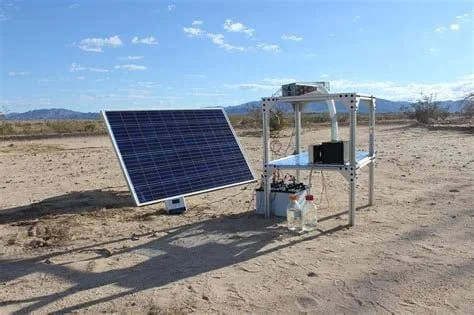
Atmospheric water Harvester H2O
As part of our ongoing commitment to sustainable development and public health, we are facilitating the delivery of advanced osmosis water filtration systems to local partners in the Philippines. This initiative aims to expand access to safe, clean drinking water—supporting schools, health centers, and underserved communities. Through collaboration with dedicated partners on the ground and with your support, we are helping build a foundation for long-term well-being and resilience, one shipment at a time.

Clean Water & Hygiene (WASH)
Poverty, hunger, rampant waterborne diseases, and limited public health plague the Philippines, especially in Muslim Mindanao, Sulu province. Sulu Province remains near the bottom of the United Nations’ worldwide Human Development Index. In Sulu, a school-aged population of some 350,000 children -- more than half girls -- are suffering from hunger and unsafe water. Worldwide, millions of female students are similarly affected.

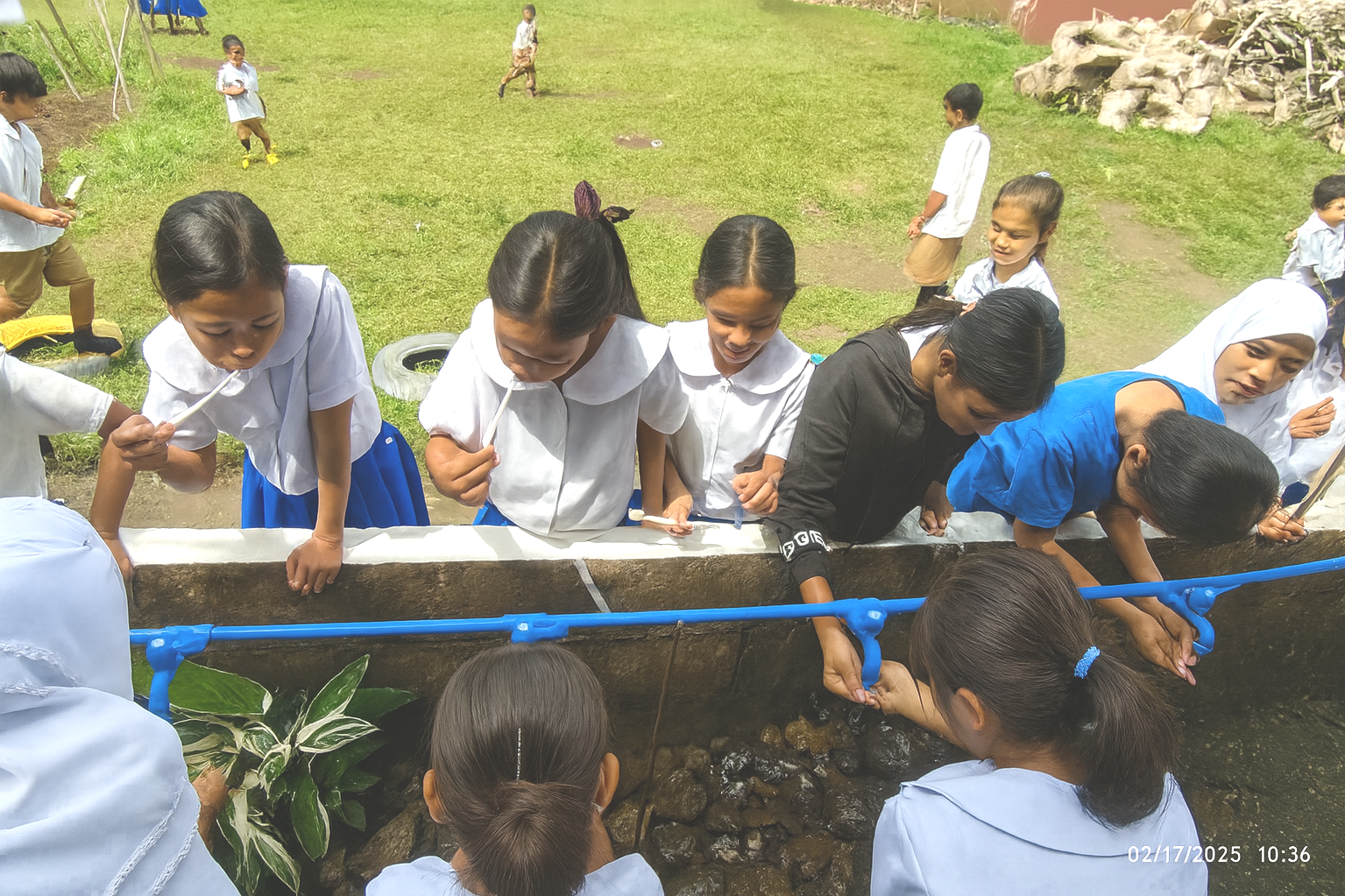
Female students are often the most affected. We have been assisting eight Sulu schools with a total of close to 5,000 girls. Our focus is to build clean water systems, WASH facilities, and to promote adequate nutrition. All are essential for improved health and education. We will continue to assist schools, with a total of 10,000 girls and boys, to create clean water systems, improved hygiene, and disease-free water.
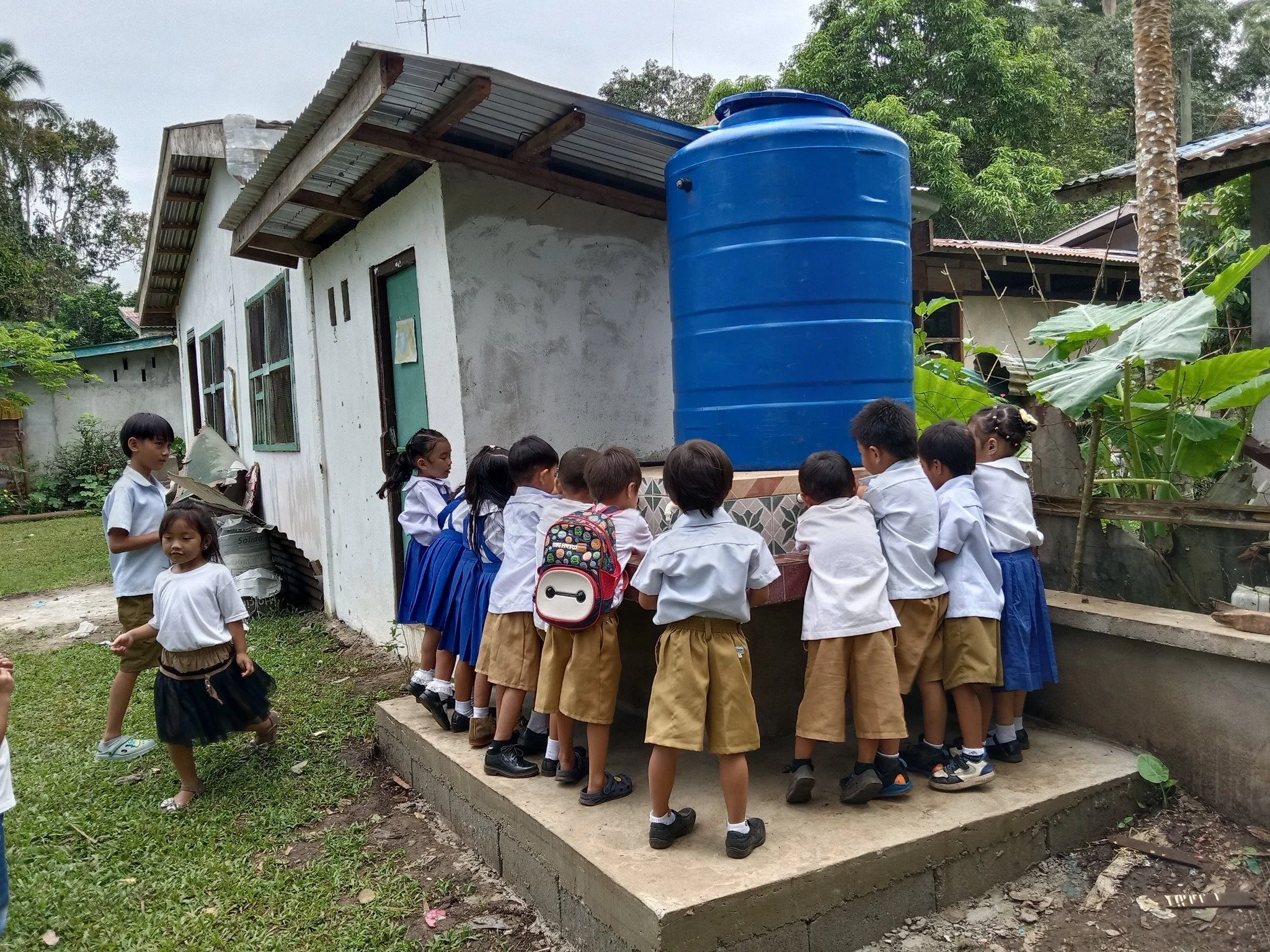
By building clean water systems, WASH facilities, and by providing soaps, toothpaste, and other hygiene products, children’s health can improve. Girls tend to attend more days in school and their classroom performance is enhanced. We encourage the expansion of school-based gardens with veggies and fruits washed in clean water for school lunches - cooked by volunteer mothers and grandmothers. With improved water delivery at each school and access to school lunches, girls and boys can experience improved overall well-being.

AAI serves as a mediator and social healer. Our inter-faith activities dispel fear and biases that can alienate communities who feel alone and abandoned. The long-term impact of our programs seek to improve health and prevent dehydration in tropical heat conditions. Our non-biased programs were created to build peace by encouraging Christian, Muslim and indigenous tribal neighbors to respect and help each other.